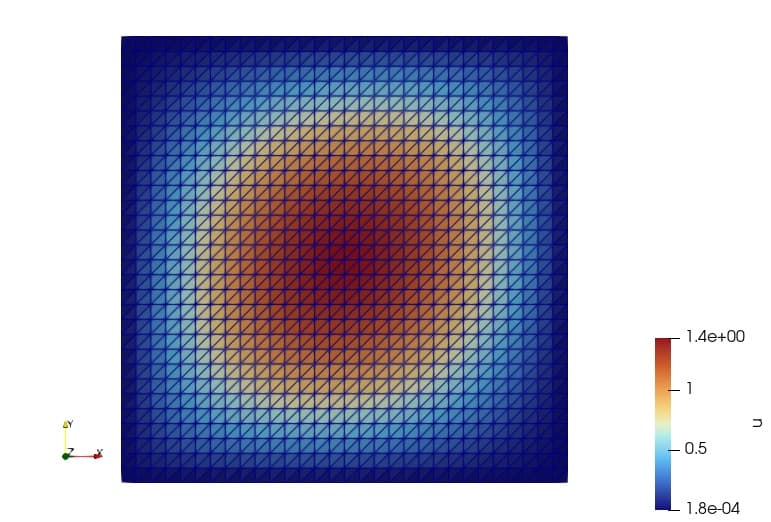
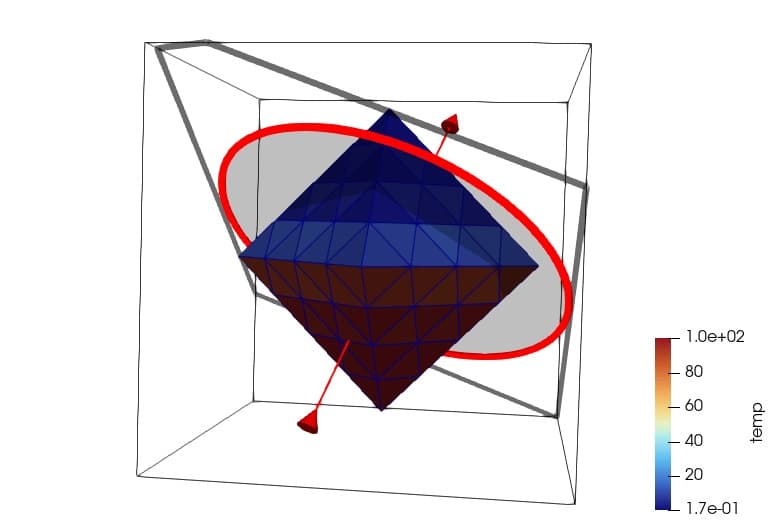
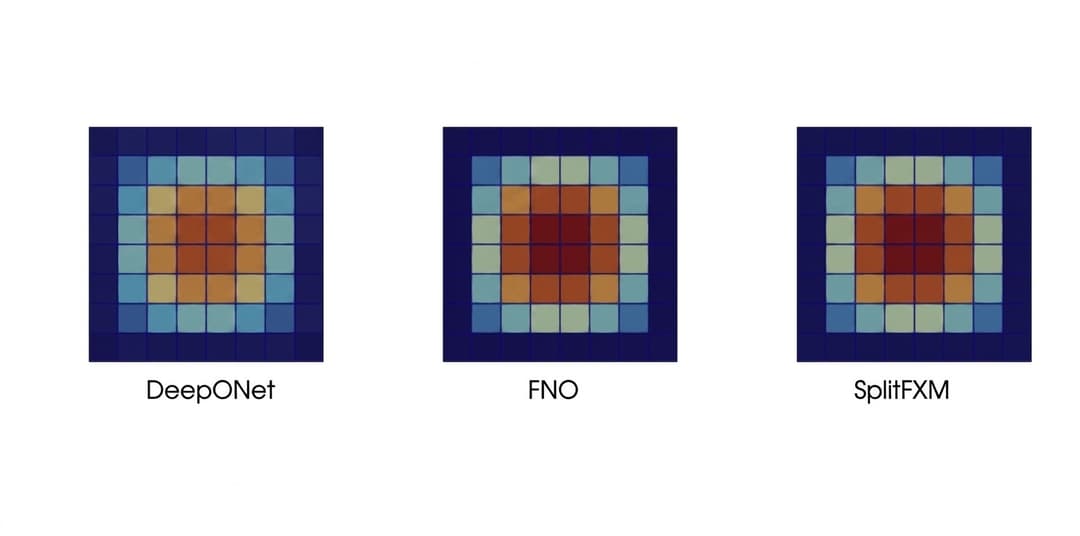
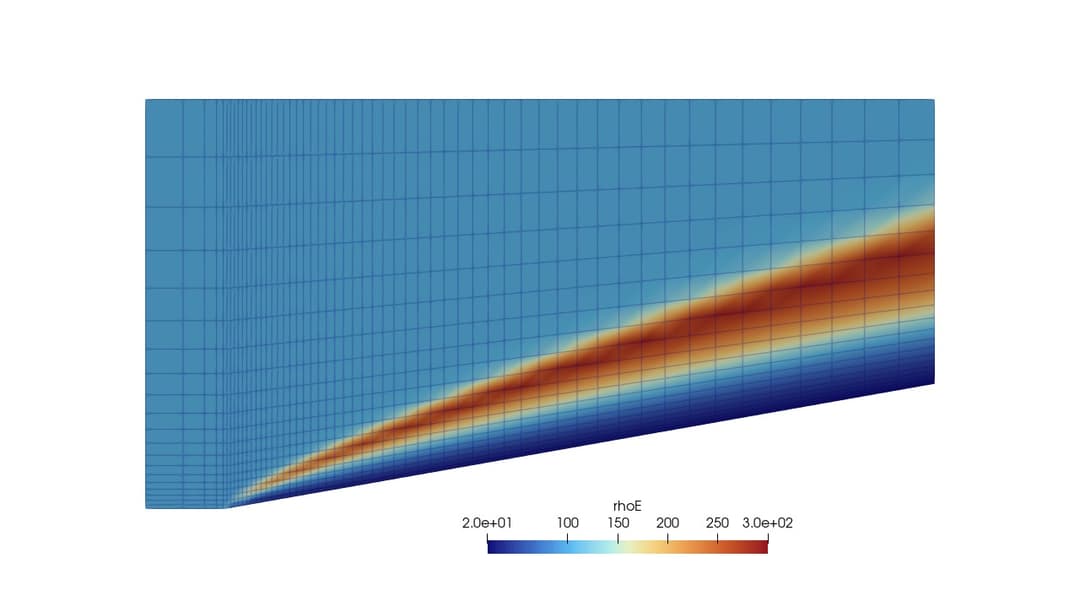
Next-Generation Design and Simulation with SplitFXM
The end-to-end platform for physics-aware AI to build smarter digital twins and faster industrial simulations.
Scientific Machine Learning
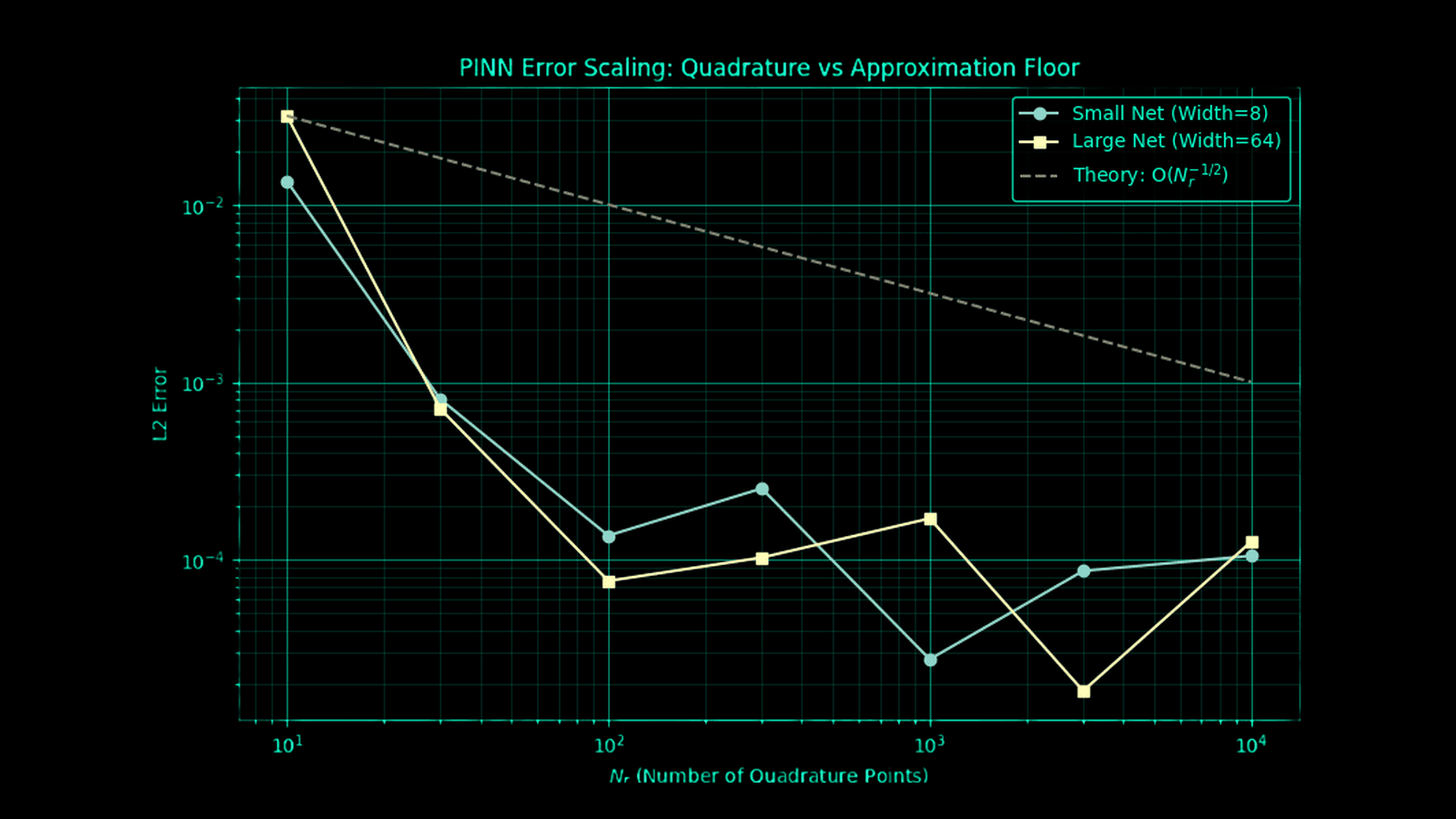
With the right metrics, we ensure training meets theoretical bounds and minimize compute wastage
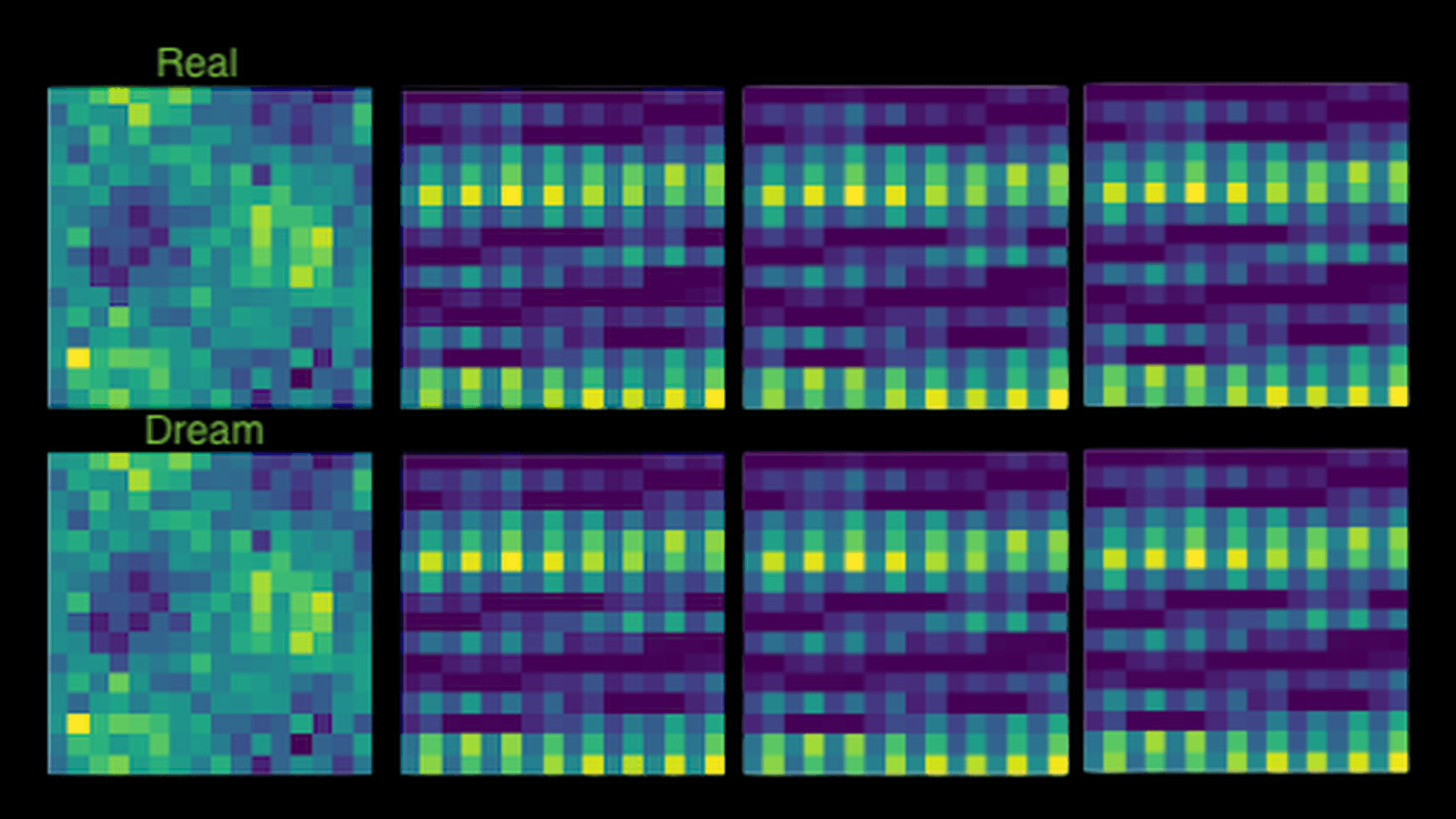
Latest in Physical AI - World Models support
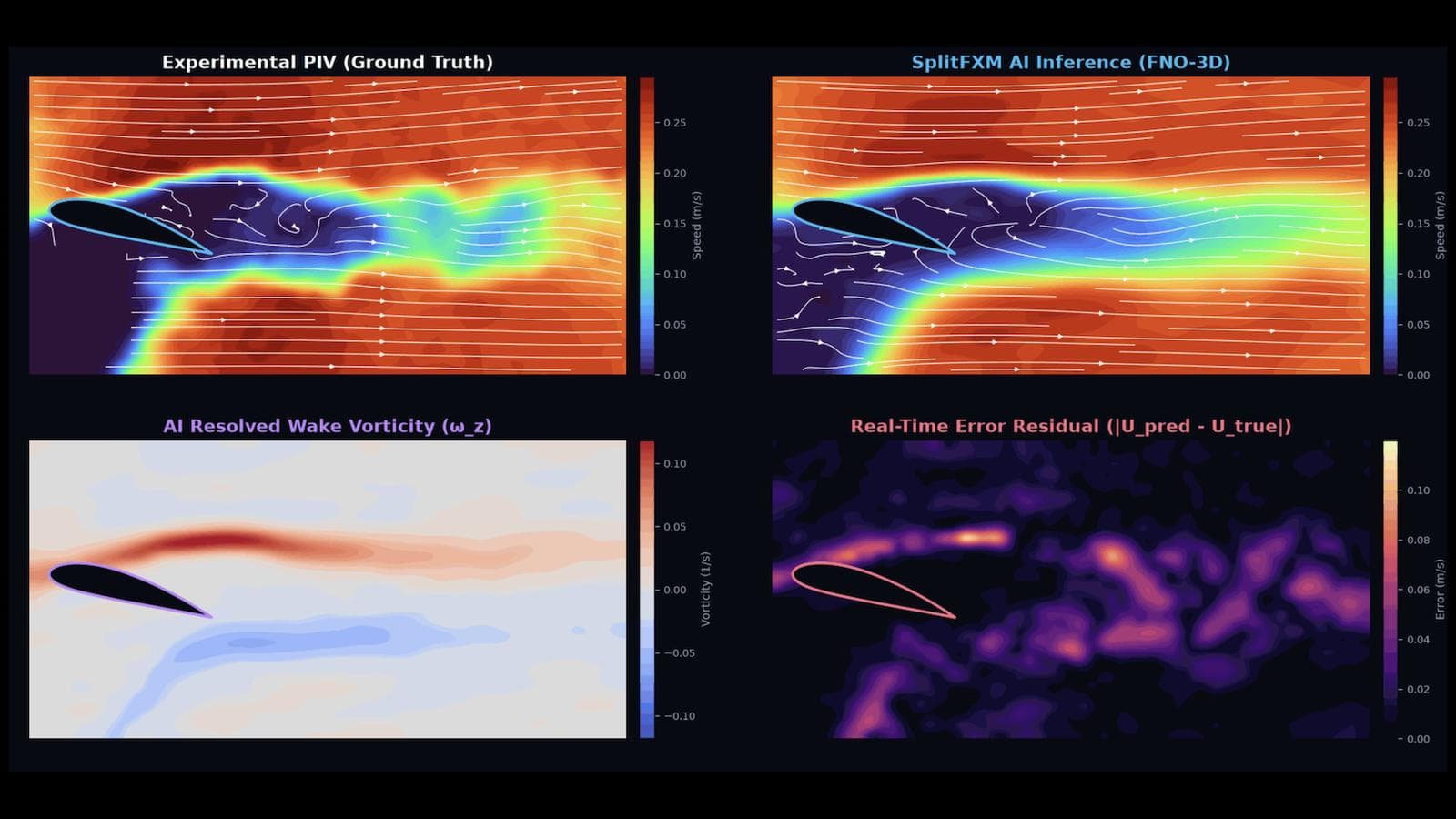
Resource-Efficient Training and Real-time AI inference with 3D Fourier Neural Operators (FNO-3D)
Watch our masterclass:
Mathematical Techniques for Scientific Machine Learning

Powerful Features
SplitFXM provides a comprehensive toolkit for building robust digital twins and high-fidelity simulation workflows.
Scientific Machine Learning
Use the latest architectures (DeepONets, FNOs, World Models, etc.) and efficient training techniques to build cost-efficient, physical AI models.
Ultra-High Precision
Achieve extreme accuracy in simulations with high-order numerical methods (Discontinuous Galerkin, Finite Difference and Volume, Fourier Spectral).
State-of-the-art Optimization Solvers
Robust approaches for solutions of highly stiff, non-linear models (using Block/Split Newton methods).
Universal Performance
High-performance parallel execution across hardware, from standard CPUs to NVIDIA and AMD GPUs.
Extreme Event Tracking
Capture sudden changes like shockwaves using advanced numerical methods (WENO/TENO schemes).
Real-World Flexibility
Adapts to complex, irregular shapes and real-world boundaries that standard simulation tools struggle with.
Adaptive Mesh Refinement
Dynamically adjusts the computational grid to focus resources where they're needed most.
Solver Comparison
How SplitFXM differs from traditional simulation software.
| ANSYS / COMSOL | OpenFOAM | SciPy | SplitFXM | |
|---|---|---|---|---|
| Natural Equation Form | ||||
| Stiff Coupled DAEs | ||||
| Built-in SciML | ||||
| High-Order / DG | ||||
| Continuation Solver | ||||
| Open Source Python |
Dash = related capability in another module, not the same stack.
Sparse Jacobian
Residual size N = 250 — assembling the Jacobian:
~75× faster Jacobian assembly, from the SplitFXM repository benchmark.
Blasius BVP
ηmax = 10, N = 100 — wall time:
Same speed class as SciPy, without reducing to a first-order system or writing a Jacobian by hand.
Watch SplitFXM++ in Action
See how SplitFXM++ handles complex real-world simulations with extreme accuracy and speed.
The “Split” Ecosystem
Our comprehensive suite of solvers for advanced simulation and digital twin challenges

“Divide and conquer for complex numerical solutions”
SplitNewton++
Core Split-Newton Solver for efficient non-linear system resolution.
SplitContin++: Numerical Continuation solver
Enables arc-length and one-point control for any arbitrary variable, essential for tracking solution branches.
SplitDAE++: General Differential-Algebraic Equation (DAE) Solver
Supports classic and advanced numerical integration schemes like Backward Differentiation Formulas (BDF) and Runge-Kutta methods for fast, stiff integration.
SplitOPS++: Operator-Splitting framework for DAEs
Implements various splitting schemes including Lie, Strang, and higher-order Suzuki methods for increased accuracy and stability in coupled systems.
SplitFXM++
The dedicated Multi-dimensional Boundary Value Problem (BVP) Solver, acting as the core integration engine—with Finite Difference/Volume, Discontinuous Galerkin, and Fourier Spectral discretizations. Architecture-independent parallelization across CPU and GPU (NVIDIA/AMD).
Python Side
SplitNewton & SplitFXM
Python implementations of the Split-Newton Solver and 1D BVP Solver.
Application Layer
High-fidelity solvers built on the SplitFXM core, excelling at Aerospace, Energy, Next-Gen Batteries, Thermal Management, and Industrial Chemistry.
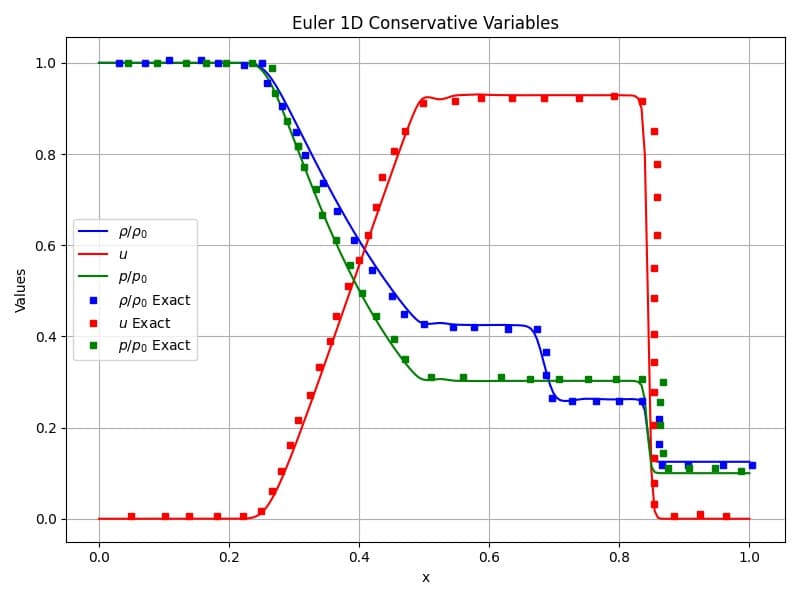
ShockFXM++
Advanced Shock-Tube Simulator for analyzing wave propagation and discontinuities.
NozzleFXM++
Quasi-1D Euler Equation Solver with Nozzle Geometry Optimization
- Rao nozzle contour generation and parameterization
- Shock-capturing Euler equation framework
PopBalanceFXM++
Population Balance Equations (PBE) using Quadrature Method of Moments (QMOM/DQMOM).
- Efficient QMOM/DQMOM implementation for multidimensional problems
- Customizable kernels for aggregation, breakage, growth, and nucleation
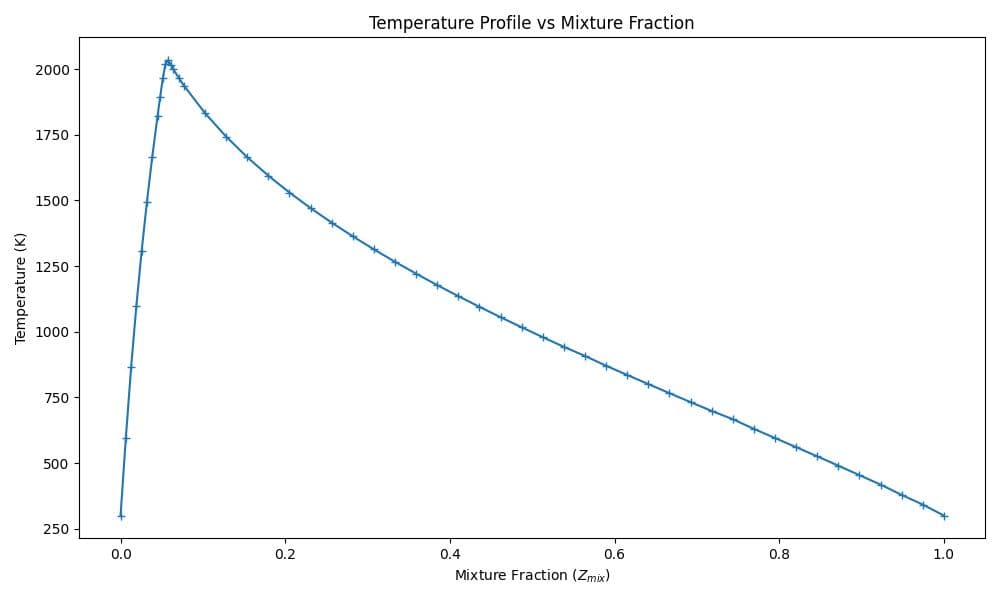
FlameletFXM++/SootFXM++
Flamelet and Soot Solvers specialized for combustion modeling in mixture-fraction space, vital for non-premixed flame analysis.
DropletFXM++
High-fidelity multicomponent droplet evaporation simulations.
- Spherical, transient, liquid-phase heat and species diffusion
- Gas-phase transport via Cantera
- VLE modeled via Raoult’s Law
DGCompFXM++
High-order Discontinuous Galerkin solver for compressible flows.
- Discontinuous Galerkin Compressible Navier–Stokes with face stabilization
- Wall, symmetry, and freestream boundary treatments
TCADFXM++
High-fidelity technology computer-aided design solver for semiconductor device simulation.
- Multidimensional van Roosbroeck system with support for Scharfetter–Gummel fluxes
- ML surrogate models for accelerated design
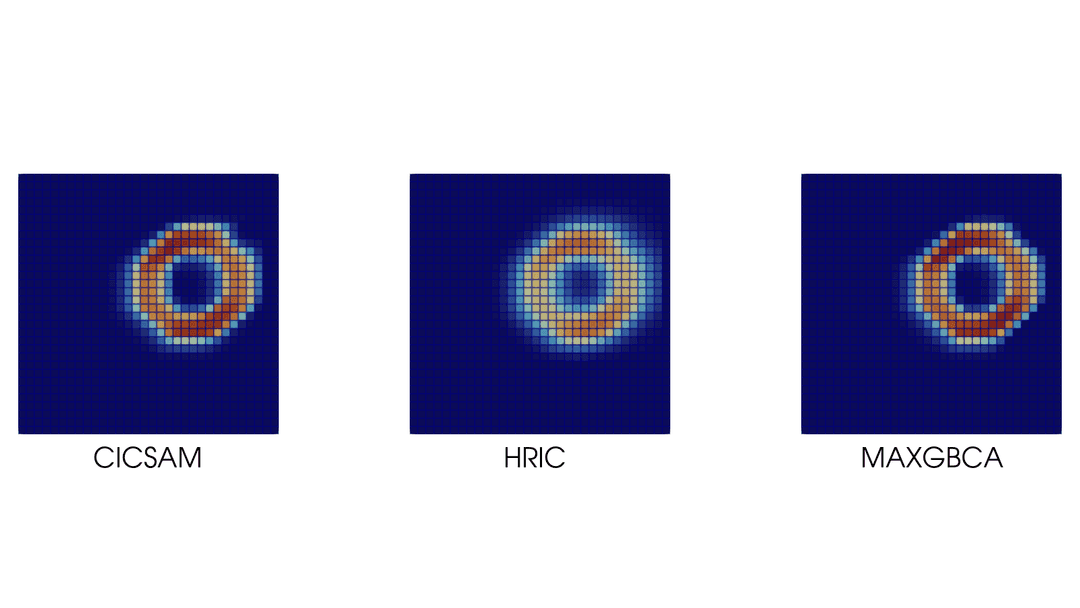
MultiphaseFXM++
High-fidelity multiphase solver for complex fluid interfaces.
- Advanced VOF with NVD schemes
- High-order Level-Set methods
HypeSuite
Hypersonic Flow Calculation Suite based on SplitFXM. A comprehensive application featuring:
- Atmosphere models and trajectory
- Inviscid/Viscous shock relations
- Real gas thermodynamics
- Hypersonic vehicle design
Pricing
Simple and transparent licensing options
| License Type | Price | Intended Use | Action |
|---|---|---|---|
| 1D Python Subset | Free | Non-commercial research, education, and personal use only | Download |
| Commercial | On Request | Business or revenue-generating use of SplitFXM | Request |
| C++ Version (including pre-requisites)* | On Request | For all purposes | Request |
*For an example application, see ShockFXM++
The 1D Python subset is licensed under Creative Commons Attribution-NonCommercial 4.0 International (CC BY-NC 4.0)
Have questions? Contact us
Citing SplitFXM
If you use SplitFXM in your research, please cite it using the following format:
@software{pavan_b_govindaraju_2025_14827049,
  author       = {Pavan B Govindaraju},
  title        = {gpavanb1/SplitFXM: v0.5.0},
  month        = feb,
  year         = 2025,
  publisher    = {Zenodo},
  version      = {v0.5.0},
  doi          = {10.5281/zenodo.14827049},
  url          = {https://doi.org/10.5281/zenodo.14827049},
}
Citing SplitFXM helps support continued development of the software suite.